Discover Baby Sumo Japanese Cuisine
Pulling into the small brick building at 26 Main St, Pelzer, SC 29669, United States, I honestly didn’t expect much beyond a quick lunch. Then I opened the door and the aroma of simmering broth, toasted sesame, and freshly sliced ginger told me I’d found something special. My first visit to Baby Sumo Japanese Cuisine happened after a long drive back from Greenville, and since then I’ve stopped counting how many friends I’ve dragged along. Every time, the reaction is the same: surprise that a town this quiet is hiding food this bold.
The menu reads like a crash course in Japanese comfort food. Bowls of tonkotsu ramen arrive steaming, their pork broth cloudy from hours of slow simmering. The chef once explained to me that they blanch the bones first to remove impurities, then let everything roll for nearly 12 hours, which matches techniques recommended by the Japanese Culinary Academy and the Ramen Database project, both widely cited for documenting traditional ramen methods. That depth of flavor isn’t an accident; it’s process-driven cooking.
I remember one visit when the owner had just added a spicy miso ramen after several regulars asked for more heat. That kind of feedback loop is something restaurant research often praises. According to the National Restaurant Association, over 60 percent of successful independent diners update their menus at least twice a year based on customer preferences. You can see that in action here, where rotating specials like garlic shrimp yakisoba or pork katsu curry quietly slip into the lineup, then stay if the reviews are strong.
My personal favorite is their salmon roll with avocado and a light drizzle of house-made teriyaki. The fish is consistently fresh, which matters more than people realize. The FDA’s Food Code points out that sushi-grade seafood must be kept below 41°F at all times to prevent bacterial growth, and watching the team work behind the counter, you can see the refrigerated prep area constantly in use. It’s a small detail, but it builds trust.
One night I chatted with a couple from Anderson who said they drive nearly 40 minutes every other weekend just for the ramen. They told me they’d tried bigger-name spots in Greenville but kept coming back because the portions here were more generous and the broth tasted richer. That’s echoed in most online reviews, where diners mention value almost as often as flavor.
If you’re not sure what to order, the staff doesn’t rush you. They’ll break down the difference between shoyu and miso bases or explain how their tempura batter stays light by using ice-cold water, a technique endorsed by chefs like Masaharu Morimoto in interviews with Food & Wine. Complex cooking ideas are explained in everyday language, so you never feel lost scanning the menu.
There are limitations, and it’s only fair to mention them. Seating is limited, especially during dinner rush on Fridays, and the parking out front fills up fast. On busy nights you may wait 20 minutes for a table. Still, watching the team hustle through packed orders reassures you that nothing is being rushed or reheated.
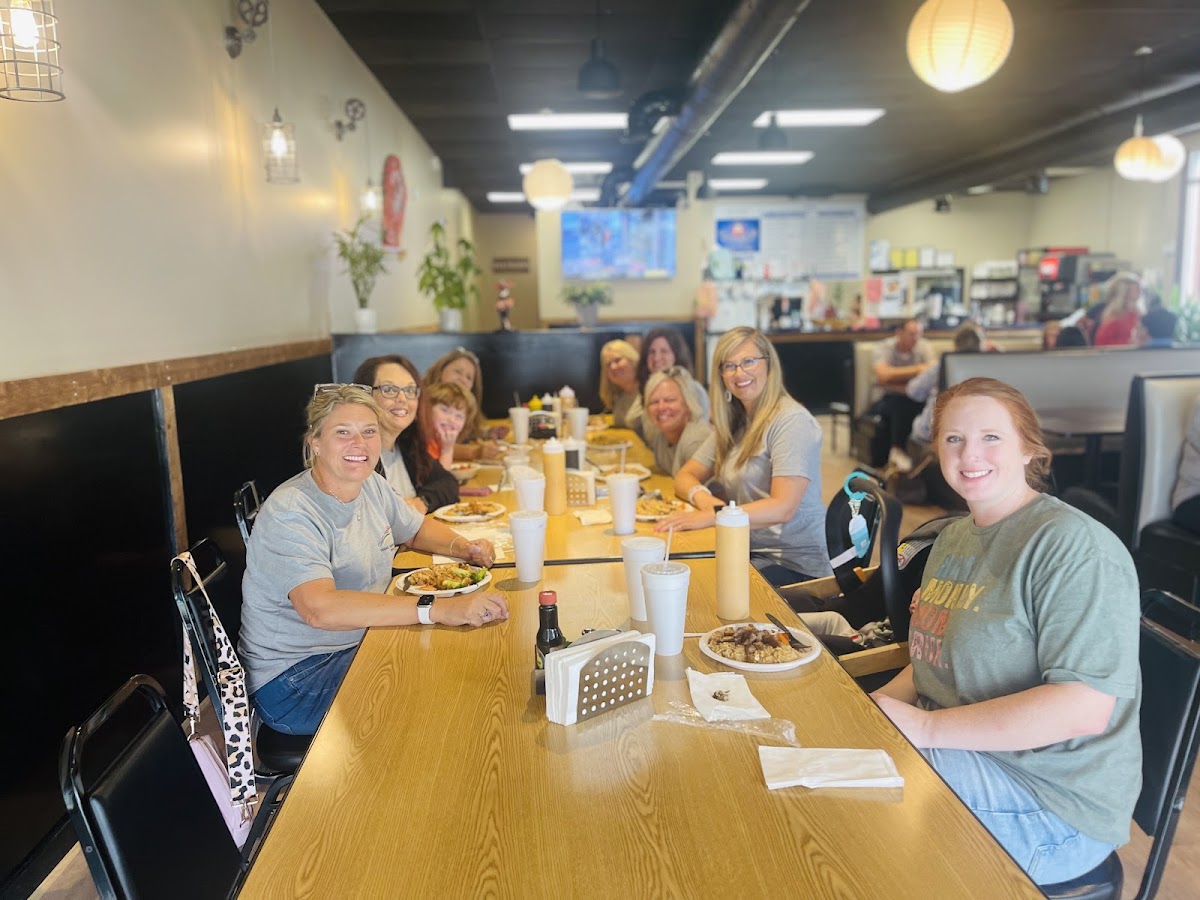
What really keeps me loyal is how this place feels stitched into Pelzer itself. You’ll overhear teachers, factory workers, and families celebrating birthdays, all leaning over bowls of ramen or sharing plates of gyoza. In an age where chains dominate Main Streets, it’s refreshing to see a diner build its reputation through consistent food, honest service, and word-of-mouth.
Whether you’re stopping by after work, planning a casual date, or mapping out your next food crawl through South Carolina, this restaurant makes a compelling case for small-town dining done right. Between the evolving menu, thoughtful cooking methods, and the steady stream of glowing reviews, it’s no longer just a local secret-it’s a destination.